The Influence of Risk and Reward
The psychology of casino game choices often revolves around the intricate relationship between risk and reward. Gamblers are naturally drawn to games that promise significant payouts, which can create a thrilling sense of anticipation. This excitement often drives players to gravitate towards high-stakes games such as blackjack or roulette, where the potential for a big win is substantial. The allure of winning big can sometimes overshadow the innate risks involved, leading players to make choices that might not align with their financial wisdom. Additionally, many bettors are exploring offshore betting options to diversify their gaming experiences and opportunities.

Moreover, the concept of risk is not just about the monetary stakes, but also about the emotional investment in the game. Players may find themselves engaged in a psychological battle where the exhilaration of potential winnings creates a dopamine rush. This chemical response can lead to repeated play and sometimes irrational decision-making, reinforcing the desire to return to specific games that offer both emotional highs and the chance for lucrative rewards.
The Role of Social Interaction
Social dynamics play a crucial role in casino game choices. Many players are influenced by the social atmosphere of certain games, often preferring those that encourage interaction with others. Games such as poker or craps are not only about the strategy and luck involved but also about camaraderie and competition among players. This social aspect can create a sense of community and belonging, drawing players into the experience.
In addition, the presence of other players can impact individuals’ perceptions of success and failure. Observing the excitement of fellow gamblers can amplify one’s own desire to participate and win, creating a collective energy that enhances the overall experience. Thus, the social environment within casinos can significantly shape game choices and increase player involvement.
The Impact of House Edge and Payout Structure
Another psychological factor influencing game selection is the understanding of house edge and payout structures. Players often perceive certain games to be more favorable based on their knowledge of odds and returns. For example, games like video poker may attract those who are more mathematically inclined, as they tend to carry a lower house edge compared to traditional slots. This understanding of odds can enhance a player’s confidence and lead them to make more informed choices about which games to play.
However, while some players may seek out games with better odds, others may be seduced by the flashy features and entertainment value of high-risk slots. This dichotomy highlights a nuanced aspect of gambling psychology, where the choice between logic and thrill often dictates gameplay. The contrast between educated decisions and impulsive choices remains a critical component of the casino experience.
The Effect of Personal Factors
Personal factors such as age, gender, and past experiences can also significantly influence casino game preferences. Research has shown that younger players are more likely to be drawn to fast-paced games like slots, while older generations may lean towards classic table games such as blackjack. This trend can be attributed to varying levels of familiarity with different types of games and the cultural context surrounding them.
Additionally, emotional state plays a role in game selection. Players who visit casinos to escape stress or seek excitement may prefer games that offer a quick adrenaline boost, often selecting quicker games with immediate results. Conversely, those looking for a more relaxing experience may gravitate towards slower-paced games that allow for contemplation and social interaction. Personal circumstances can thus shape gambling choices, reflecting individual psychological needs.
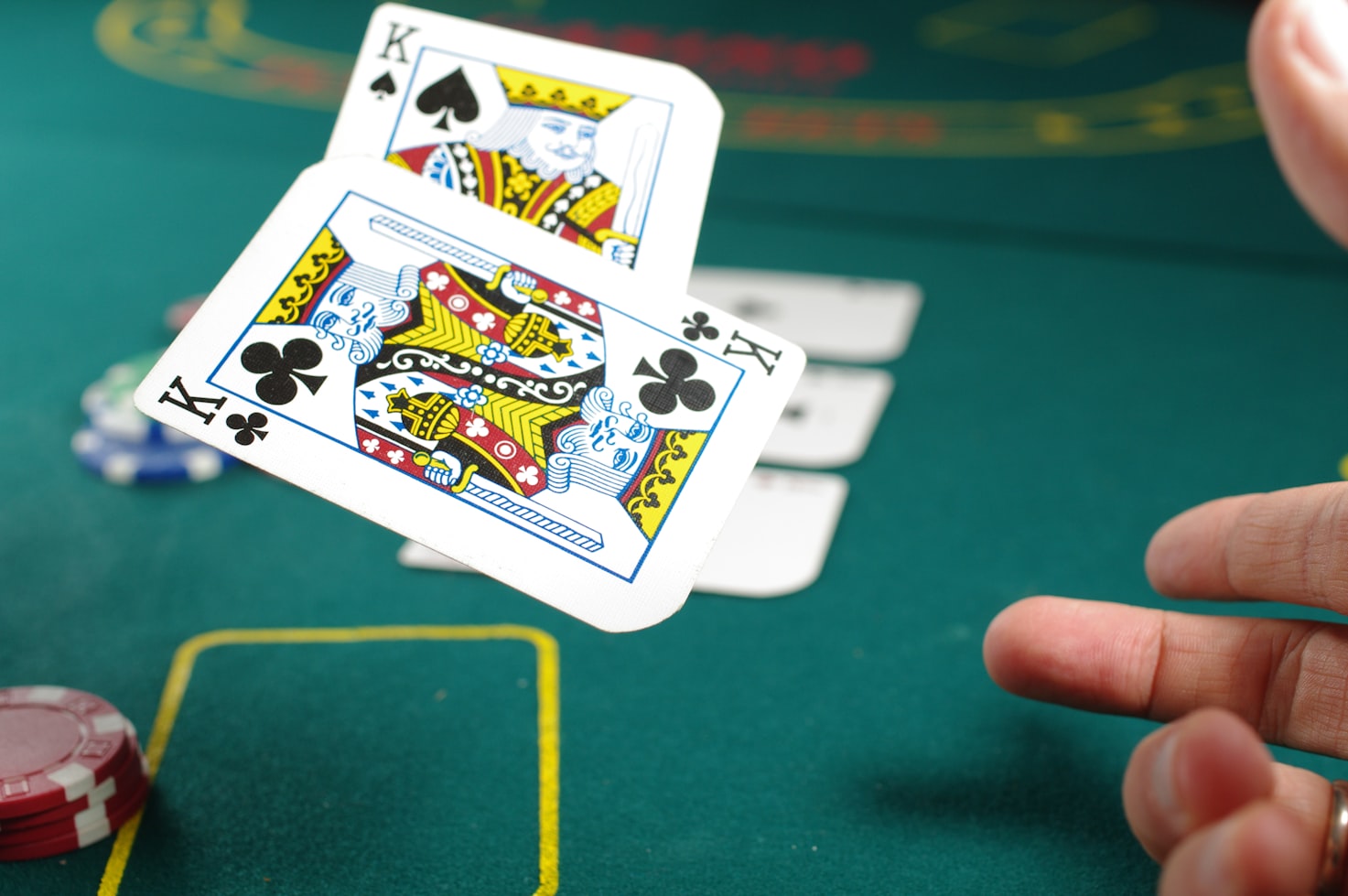
Understanding the Online Casino Experience
As online casinos become increasingly popular, understanding the psychology behind game choices in this environment is essential. The virtual nature of online gaming allows for a more personalized experience where players can choose from a vast array of games at their convenience. This accessibility can lead to different gambling behaviors compared to traditional casinos, where physical presence and social interaction may influence decisions more heavily.
Online platforms often utilize sophisticated algorithms to recommend games based on players’ past choices and preferences. This personalization can enhance user engagement and encourage players to explore new games they might not have considered otherwise. Overall, the online gambling environment offers unique psychological nuances that can significantly impact gaming choices, emphasizing the importance of understanding player behavior in this evolving landscape.